End to end

From alert to safe home.

Most mould products just warn you, then stop. MouldWatch goes further: we send a qualified team to the home, see the mould dealt with, and leave a dated record of what happened. Less risk for the tenant. Less risk for the landlord.

The same steps run either way. Choose full service and we run it for you - alerts answered 24/7/365, the Quidos Protect field network investigating, fixing, and verifying. Or run it yourself, and your own team and contractors act on our intelligence. Same record, same clock, nothing locked in.

See the six steps
The journey, every time
  1. Sense Sensors read the room
  2. Predict Risk flagged weeks early
  3. Alert The statutory clock starts
  4. Investigate A qualified team goes in
  5. Remediate The real cause is fixed
  6. Safe home Proven, dated, recorded
Step by step

One case, six accountable moves.

Each stage below shows what happens, who picks it up, what the system produces, and why it matters when a resident, board, Ombudsman, or regulator asks for the record. Who picks it up is your call: on full service, MouldWatch's 24/7 triage and the Quidos Protect field network act and finish the job. Run it yourself and your own teams and contractors act on the same intelligence.

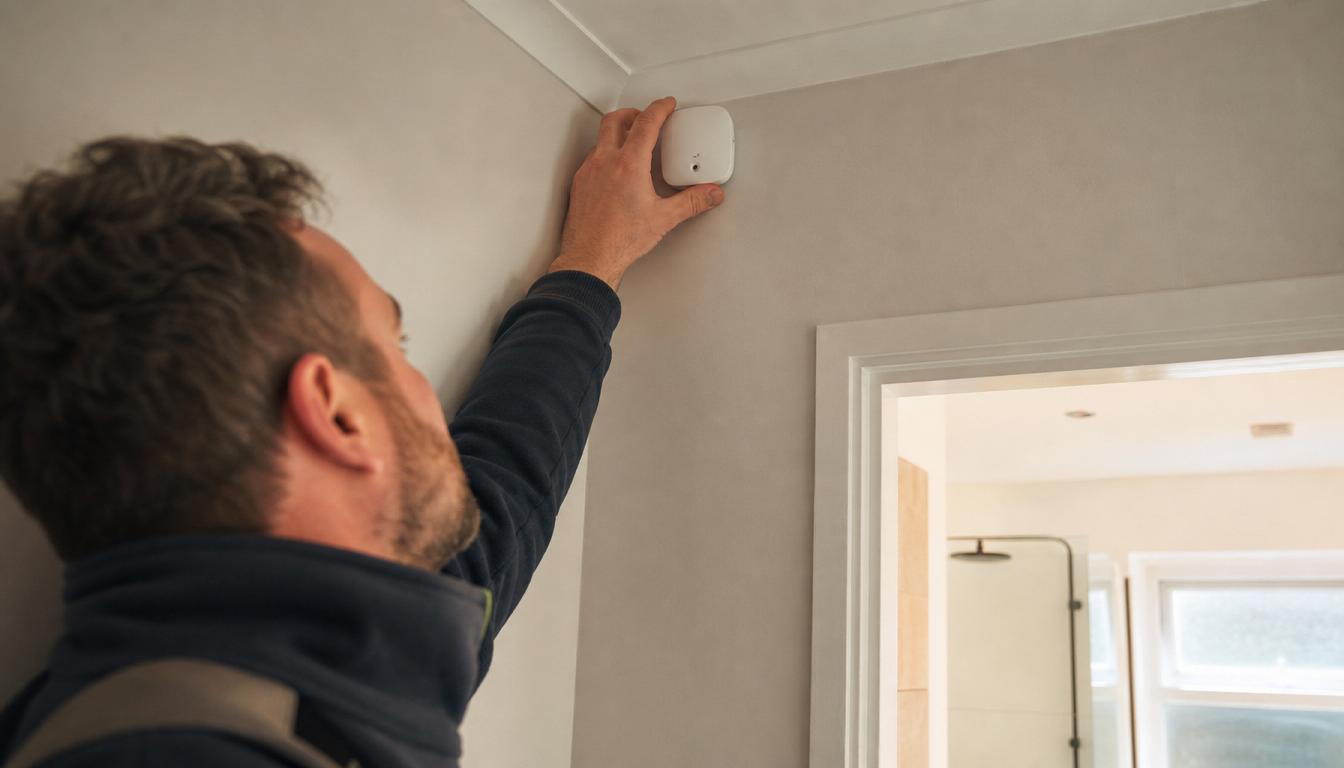
A discreet environmental sensor mounted high in a clean UK home near a bathroom ceiling.
01 / 06
01 / 06
Hardware

Sense

Scan, stick, done - five minutes per sensor, then every room is watched for nine years.

Protocol
LoRaWAN + 4G backup
Placement
Every bedroom + living area
Home setup
None, no Wi-Fi
The full step - what happens, who acts, what it proves Close the detail

Small sensors measure temperature and humidity every 15 minutes - one in each bedroom, one in the main living area - for up to nine years on one set of batteries. Fitting each takes five minutes: scan a QR code, stick it to the wall, done. No Wi-Fi needed.

What happens

Rooms that drive damp risk are instrumented without relying on resident Wi-Fi.

Who acts

The installation team fits and commissions the devices, then the system takes over.

System output

A live environmental feed tied to the property record.

Compliance value

Risk starts as measured conditions, not anecdote or complaint history.

Evidence captured

  • Device ID
  • Install timestamp
  • Room position
  • Signal health
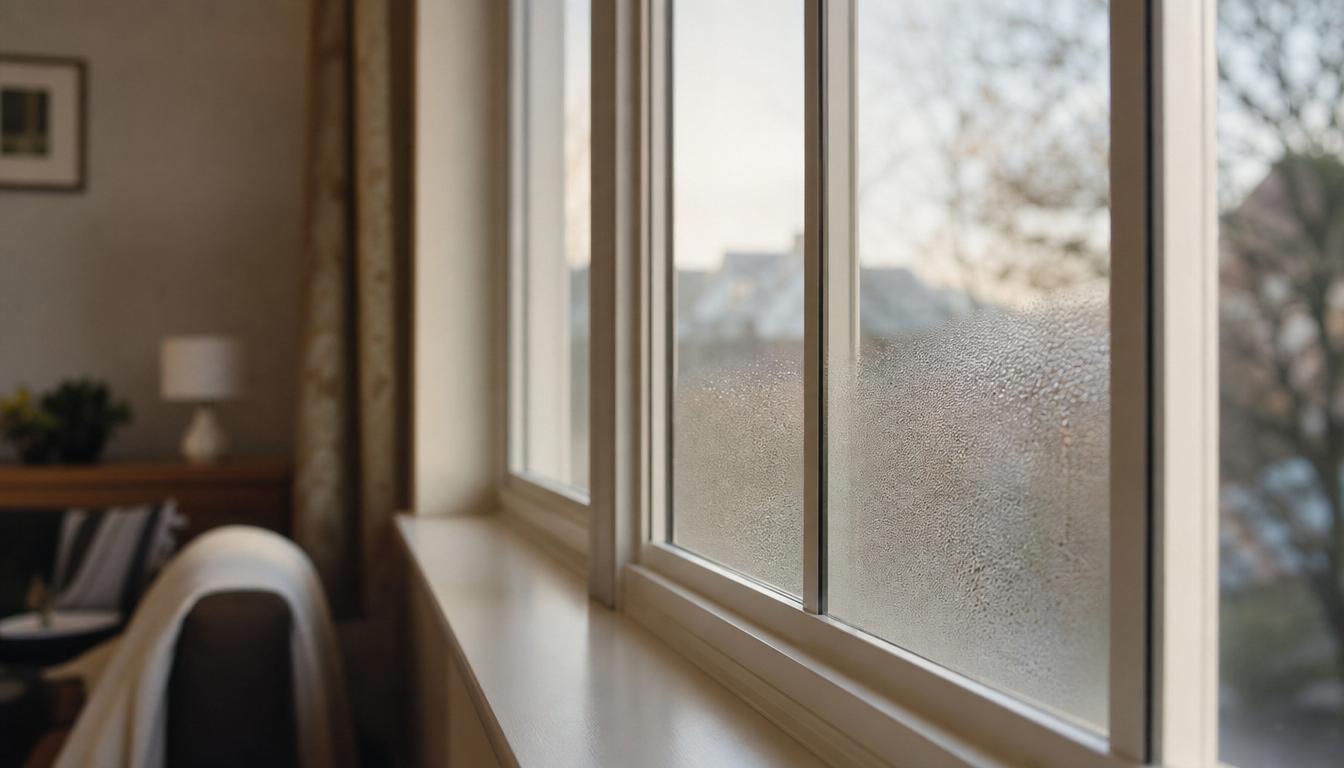
Light condensation forming low on a cold windowpane in a clean UK home - the early sign of rising damp risk.
02 / 06
02 / 06
Algorithm

Predict

Risk is flagged two to four weeks before anything shows on a wall.

Early warning
2–4 weeks
Refresh
Every 15 min
False positives
Sustained patterns only
The full step - what happens, who acts, what it proves Close the detail

The MouldWatch algorithm combines the sensor readings with local weather and what we know about the building - how well it holds heat, and the cold spots where damp tends to form. A Mould Risk Score flags conditions that lead to mould, typically 2–4 weeks before visible growth appears.

What happens

Sensor data is combined with weather and building context to detect a rising risk pattern.

Who acts

Asset and compliance teams see the change before the home becomes a visible mould case.

System output

A property-level risk score, trend, and reason code.

Compliance value

The case can be prioritised from risk, vulnerability, and property context.

Evidence captured

  • Risk score history
  • Sensor trend
  • Weather context
  • Property factors
A housing officer rising from their desk and reaching for keys and a job folder to act promptly within the deadline.
03 / 06
03 / 06
Workflow

Alert

Every alert lands as a case with the statutory clock already running.

Triage desk
24/7/365 on full service
Clock start
On alert
Priority flag
Vulnerable residents
The full step - what happens, who acts, what it proves Close the detail

Each alert becomes a case with the Awaab's Law clock already attached, so the right person sees the right deadline the first time. Choose full service and it lands with a staffed triage desk - the Quidos Protect operations centre, on call 24/7/365 - which grades it, acts on it, and logs every contact. Run it yourself and the alert is pushed straight into your own disrepair or case-management system.

What happens

The alert becomes a case, not just a dashboard signal.

Who acts

On full service, the 24/7/365 triage desk takes the case the moment it fires - nights, weekends, and the winter surge included. Run it yourself and your team is notified with the clock, resident priority, and next action already attached.

System output

A queued task, webhook event, and case note linked to the property.

Compliance value

The awareness point and response window are explicit from the start.

Evidence captured

  • Alert timestamp
  • Assigned team
  • Priority flag
  • Clock start
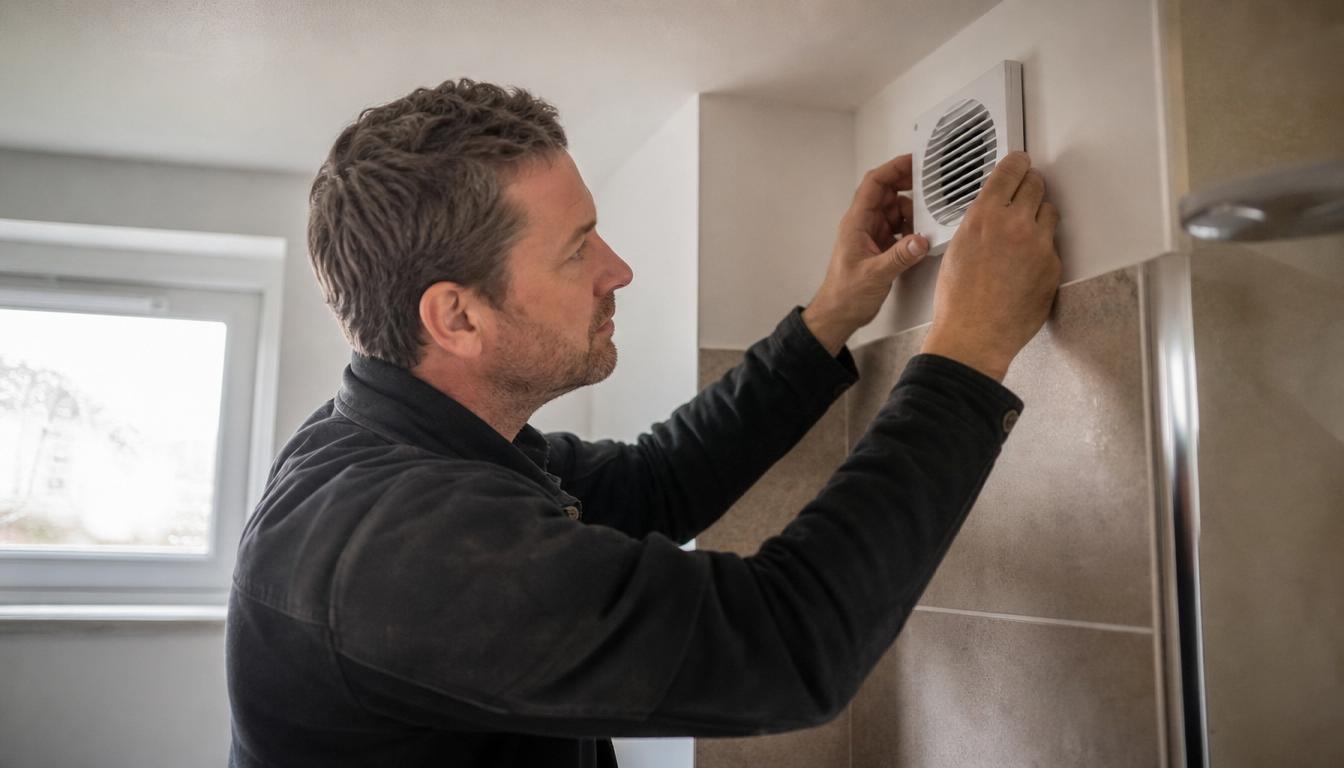
A qualified engineer closely inspecting a bathroom ventilation grille with both hands in a UK home.
04 / 06
04 / 06
Field ops

Investigate

The engineer arrives already knowing what the home has been doing for weeks.

Coverage
England and Wales
SLA
Inside Awaab window
Output
Structured inspection report
The full step - what happens, who acts, what it proves Close the detail

On full service, MouldWatch dispatches a qualified engineer from the Quidos Protect field network to investigate on the ground. The engineer arrives with the sensor trend as context, so the investigation starts with evidence, not guesswork. Running it yourself? The same trend hands your own team or contractors a head start.

What happens

The field visit tests the actual cause: ventilation, heat, leaks, insulation, occupancy pressure, or design.

Who acts

On full service, a field-network engineer; keeping control, your own surveyor or contractor. Either way, findings land in the same property record used by the alert.

System output

A structured inspection report with photos, cause, severity, and recommended action.

Compliance value

The written finding is grounded in the sensor trend and the site visit.

Evidence captured

  • Visit timestamp
  • Inspection report
  • Photos
  • Root-cause finding
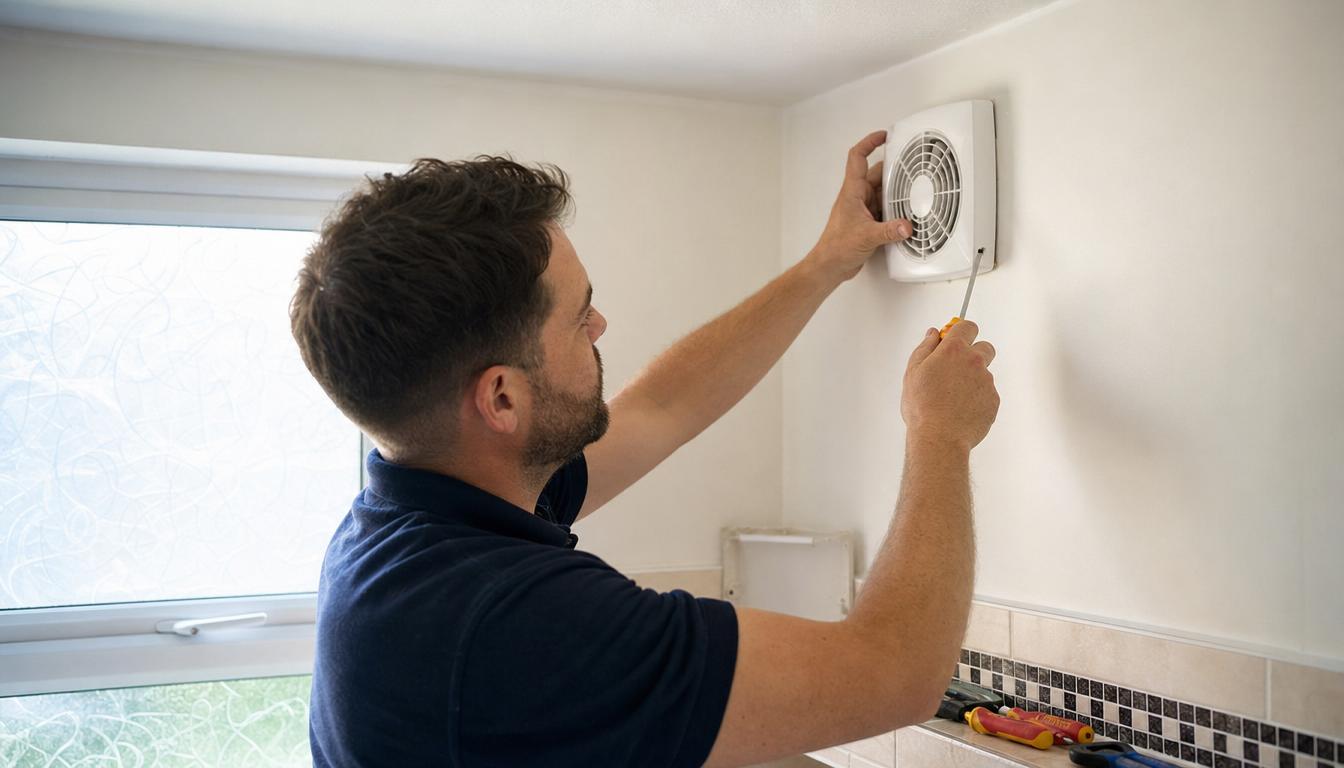
A technician fitting a new extractor fan in a clean UK bathroom with tools nearby.
05 / 06
05 / 06
Build

Remediate

The cause gets fixed, not wiped off - and the sensors confirm it stayed fixed.

Scope
Root cause
Verification
Sensor-confirmed
Warranty
Workmanship
The full step - what happens, who acts, what it proves Close the detail

The root-cause fix - ventilation upgrades, insulation, leak remediation, design changes - not symptomatic cleaning. Post-remediation, sensor data confirms that the home has stabilised back into a low-risk band.

What happens

The fix targets the cause identified in the investigation, then the home is monitored after completion.

Who acts

On full service, the MouldWatch field network completes the work. Run it yourself and your own repairs teams or contractors do. Either way, completion evidence uploads into the case.

System output

A works record with before, during, and after evidence.

Compliance value

The landlord can show action taken, not just a promise or temporary clean.

Evidence captured

  • Work order
  • Completion timestamp
  • Photos
  • Post-fix trend
A printed, audit-ready evidence pack of records being assembled by hand on a desk.
06 / 06
06 / 06
Compliance

Evidence

One timestamped record, assembled as the work happens - ready for the Ombudsman.

Format
Timestamped PDF + raw data
Retention
Set by you, as controller
Withstands
Ombudsman + RSH review
The full step - what happens, who acts, what it proves Close the detail

An audit-ready pack assembles: sensor data, alert history, timestamped comms, investigation report, works completed, photographs, and a completion record. The pack stands up to Housing Ombudsman review and a Regulator of Social Housing inspection.

What happens

The case history is assembled into one record instead of being scattered across inboxes and contractor notes.

Who acts

Compliance, repairs, legal, and resident-facing teams read from the same timeline.

System output

A PDF evidence pack, CSV timeline, and raw data export.

Compliance value

The organisation can answer what happened, when, who acted, and what changed.

Evidence captured

  • Sensor record
  • Alert history
  • Comms log
  • Export pack
Closed loop

What the landlord gets at the end.

The useful output is not another dashboard. It is a property record that explains the signal, the decision, the action, and the proof in one timeline.

01

Signal

Environmental readings and risk-model outputs establish what changed inside the home.

02

Decision

Alerts, priority flags, assignments, and Awaab windows show how the case was triaged.

03

Action

Inspection notes, photos, works records, and completion dates show what was done.

04

Proof

Post-fix sensor trends and exports show whether the home returned to a lower-risk state.

The export is the story.

When someone asks what happened, the answer should be a timestamped sequence: conditions, alert, decision, visit, works, and post-fix trend.

The Awaab's Law clock

Every step is timestamped against the statutory window.

Every milestone stays tied to the same case. When the Housing Ombudsman asks "what happened when?", the answer is an exportable record, not a folder of emails.

01
Alert time
02
Investigation start
03
Written-findings delivery
04
Safety-work completion
05
Post-fix sensor trend
Ready to see it

See a real portfolio dashboard in 30 minutes.